So you’re new to sports nutrition?
If the answer is no then you can probably click off now although please first appreciate my ‘infographics’, they were a pain to make.
If the answer is yes then great! Here is a bit of food for thought to get you started.
Eating enough
This one sounds pretty easy right? Just eat lots of food and you’ll be good. However, for some people eating enough can be difficult. High intensity exercise can suppress your appetite and if you train multiple times a day it really can be difficult to get enough calories in.
A famous example is Michael Phelp’s 12,000 calorie pre-Beijing diet. To understand just how much that is, here is what 12,000 calories look like in different forms:
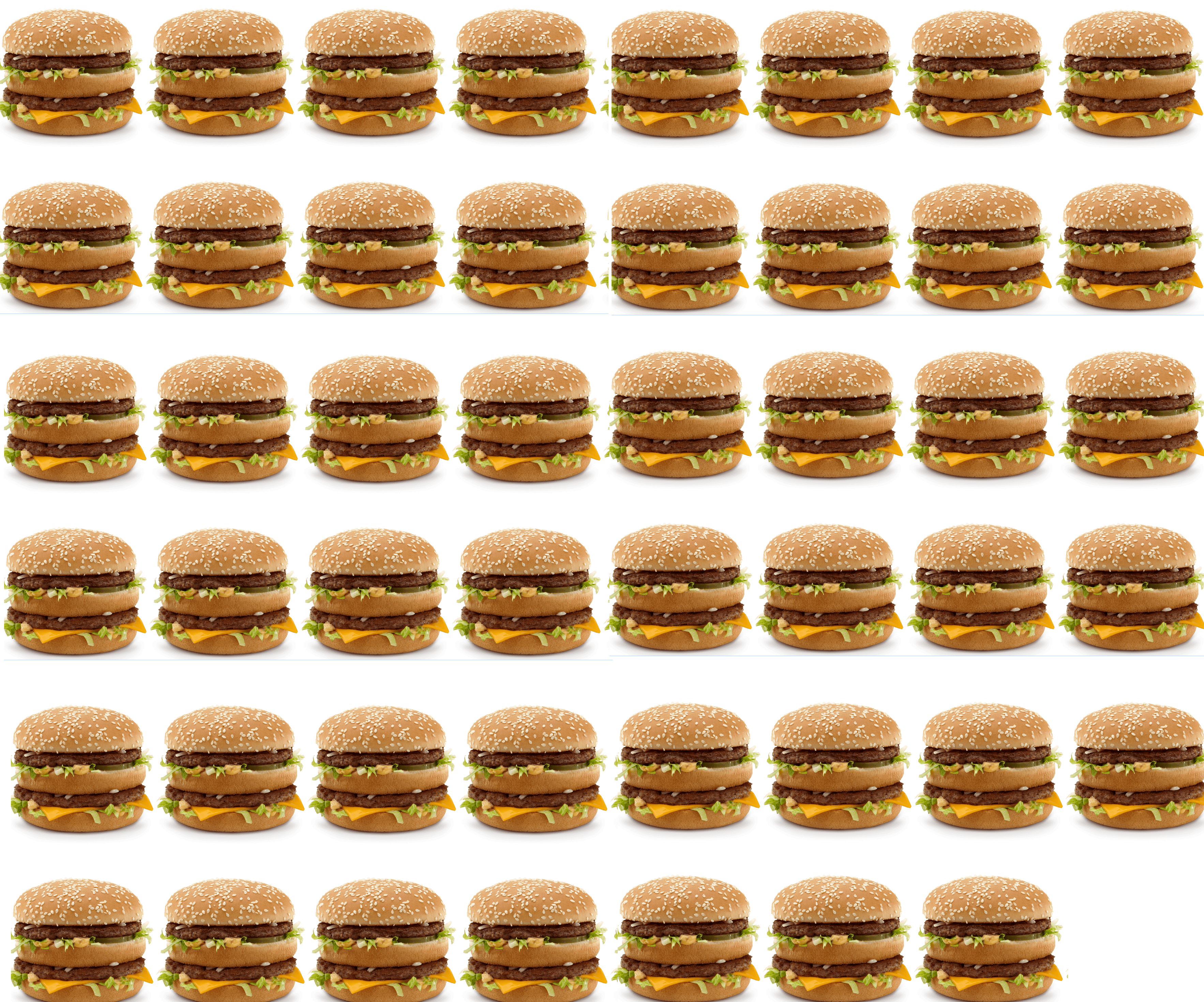
47 Big Macs 
7.5 loaves of bread 
114 medium bananas
Obviously most athletes don’t need to eat this much but for some endurance athletes requirements can be pretty huge. And the consequences of not eating enough can be much more far reaching than impaired performance – think long term damage to bones, infertility.
However you don’t want to be eating much more than your body needs or you will just store the excess as fat and, in most cases, this will impair your atheltic performance.
But eating enough of the right things
This includes getting enough of each macronutrient (carbohydrates, proteins and fats) and enough of each micronutrient (vitamins and minerals). All of this will be discussed later in individual blog posts.
You want to switch your mindset from thinking about what foods you shouldn’t be eating to thinking about what benefits the foods you are eating can give you. Then focus on incorporating a wide range of foods into your diet which will give you a wide range of these benefits.
Basically you can’t just eat lots of ice cream. Sorry.
Matching food to goals
A power lifter has very different nutritional requirements to, for example, a marathon runner. Understanding how you can use nutrition to meet your physiological goals can make the whole process a lot easier. I will go into more detail about this later, but just bear in mind that you reading an article on what foods someone building muscle needs, won’t tell you a huge amount about what you need to improve your 10k run time.
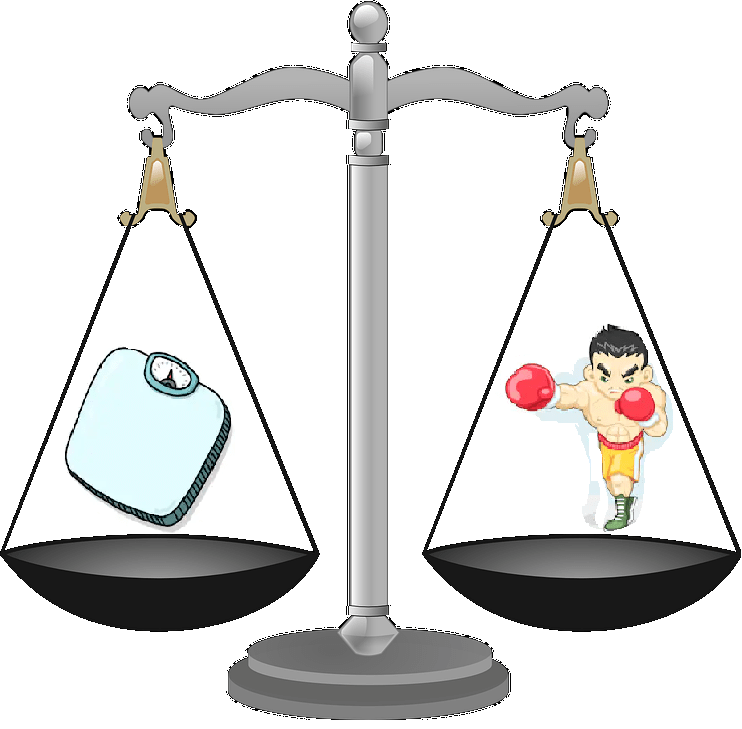
Within this, there is also of course the world of weight making sports to consider. This makes the optimal nutrition puzzle even more difficult, as suddenly you need to balance optimising performance with potentially losing weight – two things that very much do not naturally go well together.
But also matching foods to YOU
You’re parents always told you everybody is special and unique right? Well they were right! Every body is special and unique. Factors such as age, gender, height, genetics (natural muscle composition, metabolism etc.) and more all affect what you need.
You should also consider your personal preferences. For a diet to be sustainable you need to enjoy it!
Hydration
Finally, an often neglected element of nutrition is hydration. Proper hydration regulates heart rate, regulates core temperature, improves skin blood flow, regulates adrenalin, reduces muscle glycogen use and more.
So, as my old sports nutritionist used to say (shoutout to Jasmine): ‘Sip sip sip!’
 The Sporty Physicist